A Biased View of Framing Streets
Framing Streets - The Facts
Table of ContentsThings about Framing StreetsThe Single Strategy To Use For Framing StreetsThe Facts About Framing Streets RevealedGetting My Framing Streets To Work9 Simple Techniques For Framing StreetsThings about Framing Streets
Photography genre "Crufts Dog Show 1968" by Tony Ray-Jones Street photography (likewise sometimes called honest photography) is digital photography performed for art or inquiry that includes unmediated opportunity experiences and random incidents within public locations, normally with the goal of recording pictures at a definitive or touching moment by mindful framework and timing. 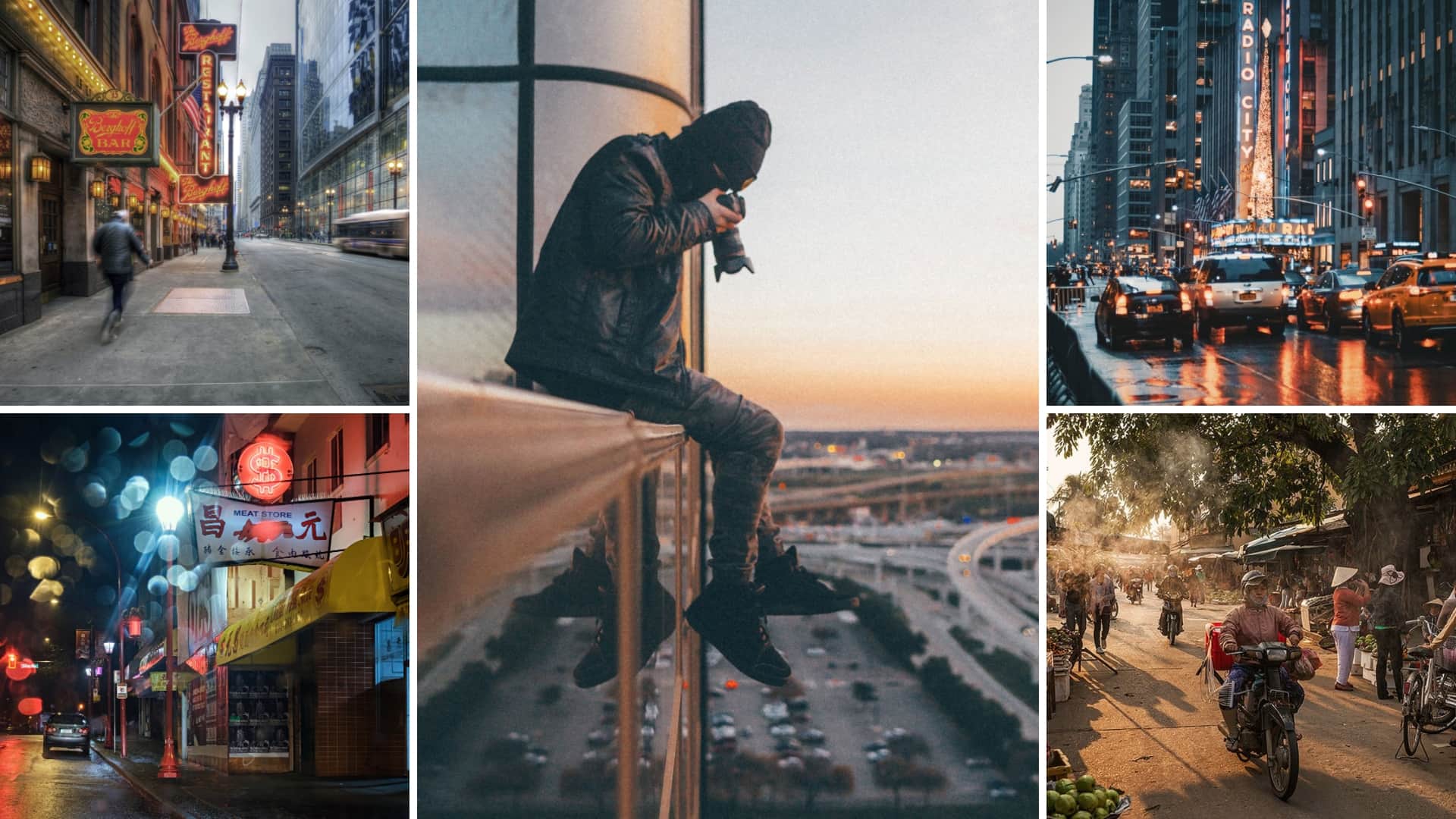
His boots and legs were well specified, however he is without body or head, since these were in movement." Charles Ngre, waterseller Charles Ngre. https://www.cheaperseeker.com/u/framingstreets1 was the very first professional photographer to acquire the technological sophistication needed to sign up individuals in movement on the street in Paris in 1851. Digital Photographer John Thomson, a Scotsman dealing with reporter and social activist Adolphe Smith, published Street Life in London in twelve regular monthly installments starting in February 1877
7 Easy Facts About Framing Streets Shown
Eugene Atget is considered a progenitor, not because he was the very first of his kind, but as an outcome of the popularisation in the late 1920s of his record of Parisian roads by Berenice Abbott, who was influenced to take on a comparable documents of New York City. [] As the city created, Atget helped to promote Parisian streets as a worthy subject for digital photography.
Fascination About Framing Streets
Martin is the first recorded professional photographer to do so in London with a disguised camera. Mass-Observation was a social study organisation established in 1937 which aimed to tape day-to-day life in Britain and to tape-record the reactions of the 'man-in-the-street' to King Edward VIII's abdication in 1936 to wed divorce Wallis Simpson, and the sequence of George VI. Andre Kertesz.'s commonly appreciated Images la Sauvette (1952) (the English-language my review here version was labelled The Crucial Moment) advertised the idea of taking a picture at what he called the "definitive minute"; "when type and content, vision and composition combined right into a transcendent whole" - copyright a9iii.
Framing Streets - An Overview
, after that a teacher of young children, linked with Evans in 193839.'s 1958 publication,, was substantial; raw and frequently out of emphasis, Frank's pictures examined conventional photography of the time, "tested all the official guidelines laid down by Henri Cartier-Bresson and Pedestrian Evans" and "flew in the face of the wholesome pictorialism and wholehearted photojournalism of American publications like LIFE and Time".